
4 Ways to Use Game-Based Learning at Home
Adjusting to a school setting after a relaxing summer break isn’t always easy. How can we drive engagement in the classroom after time off? Try something new to reignite your students’ love for learning: game-based lessons.
What is game-based learning?
Game-based learning is an innovative approach to education where curriculum-focused lessons are taught through enriching games. Hoosier College and Career Academy (HCCA) encourages students to be lifelong learners inside and outside of the classroom, and to find educational opportunities in real-life experiences, from classic board games to modern video games.
A 2024 Gallup poll found that between 25 and 54% of K-12 students feel they are not having engaging experiences in school, including learning interesting material and participating in challenging coursework. Game-based learning taps into fundamental behaviors like natural curiosity and exploration, encouraging students to learn naturally in a new and fun way. Here are four ways to use game-based learning to support your student at home.
1. Draw upon everyday experiences.
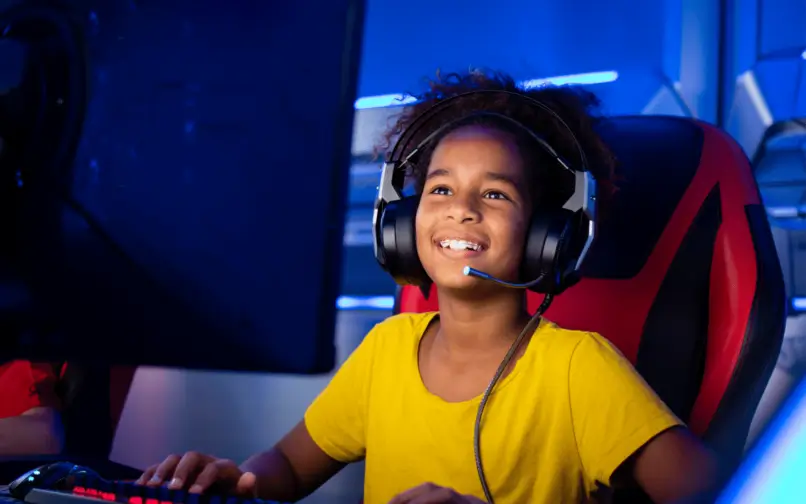
Does your student play video games? Instead of having them put the controller down and do their homework, try relating what they learned in class to the game. Some video games require problem-solving and math to make it to the next level, while other games enlist reading comprehension skills to figure out clues on how to beat a boss. Ask your student why they enjoy playing video games and draw from their natural interests to make learning fun.
2. Look for outside resources.
Looking for inspiration for games for your student? Explore resources like the K12 Arcade. The K12 Arcade is available to all students of K12-powered schools like HCCA and can be accessed by families who aren’t enrolled by purchasing an account. This resource features more than 100 award-winning educational games that support different learning goals and can align with key lesson objectives, from math to reading and science.
3. Invite others.
Games can be more fun when you play with others. To make learning exciting and bring the whole family together, plan a night centered around games that can be tied to what your student is currently learning. Facilitate discussions before, during, and after each game to talk about what everyone learned or how they can connect the game to real life. Students can also share these games with friends and peers and connect over what skills they learned through playing.
4. Share resources.
Do you know other parents who have used game-based learning for their students? Ask them for their favorite games or methods to combine education and entertainment. Has game-based learning leveled up your child’s at-home learning experience? Share your tips and tricks with your community!
Hoosier College and Career Academy’s innovative approach to curriculum can help your student thrive in their educational journey. Visit hcca.k12.com to get started.
Back to BlogRelated Blog Posts
Celebrating Our Teachers on World Teachers’ Day
Today is World Teachers’ Day, and we are thrilled to shine the spotlight on the amazing […]

Congratulations to the HCCA Winner of the 2024 K12...
The 2024 K12 Photography Competition boasted more than 12,000 entries from talented students nationwide. Among those […]

5 Learning Activities for Winter Break from Hoosier College...
While learning is important, it’s equally essential for brain breaks from constant thinking and processing. To […]